

Don’t get caught by fake COVID-19 coronavirus cures and cons. Read the statement from Consumer Protection.
Consumer Protection is warning Western Australians to get health information and advice about the spread of COVID-19 coronavirus from official and reliable sources, and not be fooled by misinformation circulating in the community, primarily via social media.
A variety of fake cures and prevention tips are being promoted including gargling with salt water, drinking extraordinary amounts of water or certain juices and ‘vibrational healing’ – advice which is undermining efforts by authorities to properly educate the community.
Commissioner for Consumer Protection Penny Lipscombe said consumers should ignore any advice that comes from dubious sources.
“The promoters of these miracle cures and fake prevention tips are exploiting people’s fears and, in some cases, seeking to profit from them,” Ms Lipscombe said.
“I would urge people to ignore this misinformation and certainly don’t share it on social media. Instead, only rely on the information that is being provided by government health officials or well-known and established health and medical professionals.
“Consumers can best protect their health by relying on known facts not falsehoods or conspiracy theories designed to prey upon fear and anxieties.”
One of the best sources to get the facts is the dedicated State Government website (https://www.wa.gov.au/government/coronavirus-covid-19) which is updated regularly with the latest information. Enquiries can also be made by calling the Coronavirus Health Information Line on 1800 020 080.
Scammers are also taking advantage of the pandemic with some people receiving text messages impersonating the Government with advice on testing for COVID-19 coronavirus. These messages try to trick people into installing software that steals banking details.
Phishing scams are also going around concerning the $750 stimulus payment recently announced by the Federal Government. Victims are receiving unsolicited calls from scammers claiming to be from the ATO, advising they are receiving the $750 stimulus payment and need credit card details to process it. No losses have been reported in WA so far.
“Scammers are very opportunistic and will attempt to capitalise on fear in the community created by the COVID-19 coronavirus pandemic, so don’t give them a win by responding to phone calls, emails or texts,” the Commissioner said.
“The general advice is to independently verify that the person you are dealing with is genuine and never send money or give financial/personal details to someone you don’t know or trust.
“If you have provided your financial information, contact your financial provider immediately.”
 Mandurah Crab Fest boasts huge range of free, family friendly entertainment
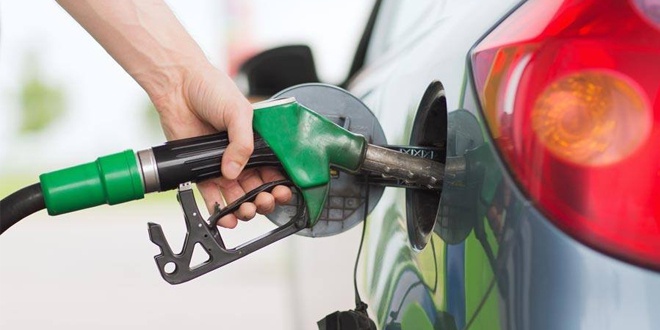 Fuel prices surge in Perth, Mandurah
 Teen boys charged over Mandurah burglaries
 Tragic update in search for missing man Robert Snyder
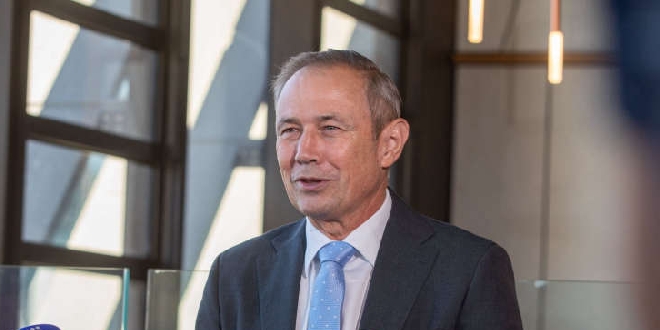 Premier Roger Cook to leave Kwinana electorate, move to Perth
 Mandurah Marine Rescue's new vessel named in memory of nun who survived 1959 boating accident
 Teen dies in motorbike crash at Waroona Dam
 Shark alert issued after whale carcass reported at Preston Beach
 Kwinana businesses to refuse serving students during school hours