


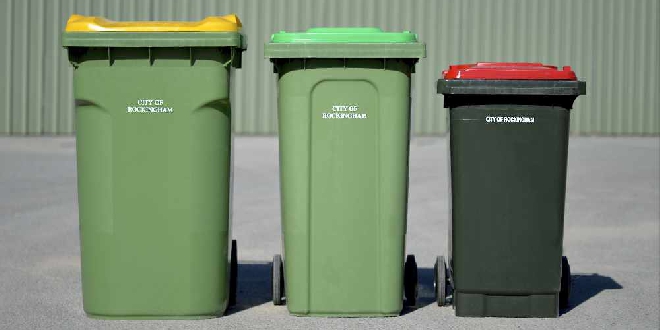
City of Rockingham residents are reminded to be conscious of the items they are placing into their waste collection bins.
It comes as the City’s waste services contractor SUEZ experienced five separate fires on board its collection fleet over the past three months.
The fires all occurred following routine kerb side collections and were triggered by people putting hazardous materials into their waste collection bins.
Hazardous materials can be flammable, explosive, reactive or corrosive when not handled correctly, and pose major safety hazards for truck drivers, the community and environment.
Common household hazardous waste items include:
- Kitchen and bathroom chemicals.
- Garden chemicals.
- Swimming pool chemicals.
- Motor oils, fluids and fuels.
- Batteries.
- Gas bottles and aerosol cans.
- Obsolete electrical equipment.
City of Rockingham Mayor Barry Sammels encouraged the community to be mindful of correctly disposing such materials.
“There is no place for hazardous items in waste collection bins, as these materials can have potentially damaging consequences,” Mayor Sammels said.
“To protect the community and environment, these hazardous waste items may be dropped off at the City’s Millar Road Landfill Facility for free.
“The City also wishes to make it clear that its recycling services have not been impacted by recent fires at recovery facilities across Perth. All recycling collected in the City will be processed as usual.”
The Millar Road Landfill Facility is located at 204 Millar Road West, Baldivis, and is open Monday – Sunday from 7.30am to 4pm.
 Mandurah woman completes grueling English Channel swim
 Man and child seriously injured in South West crash
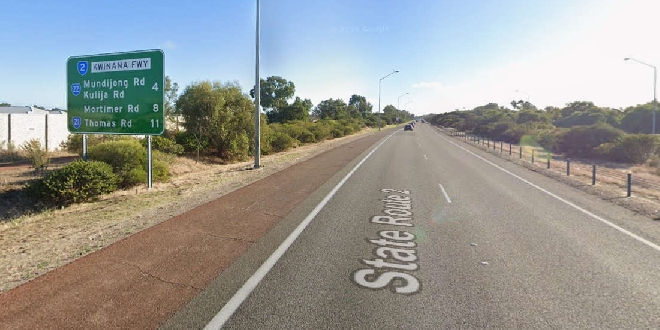 Motorists warned to expect delays during Kwinana Freeway upgrades
 Driver injured in Serpentine crash
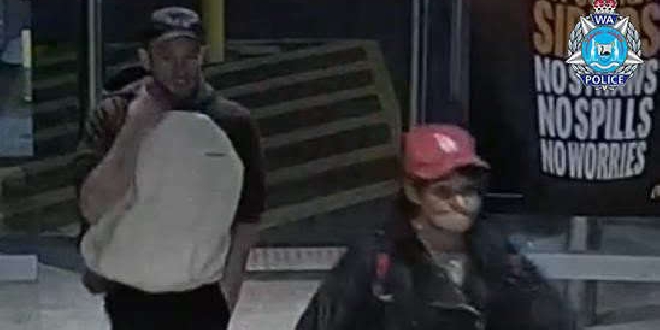 Man and woman wanted for questioning over Lakelands car theft
 Mission Australia celebrates 25 years of supporting young people through Mandurah Reconnect program
 'Mad Eagles fan' wins $6 million Lotto prize
 Mandurah woman loses everything in house fire
 Gift card scams surge past $1 million prompting urgent warning from Consumer Protection