


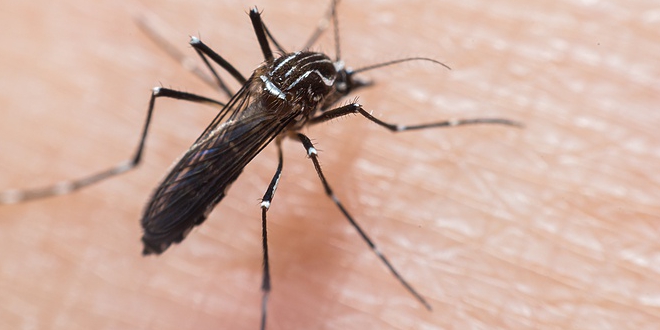
The Health Department are warning Peel region locals to avoid getting bitten by mosquitos after recent detections of Ross River (RRV) and Barmah Forest (BFV) viruses in the area.
Department of Health Managing Scientist Dr Abbey Potter said spring and summer are the peak seasons in the South West for mosquito activity and RRV infection in people.
“The warmer weather, combined with persistent water from winter rainfall and tidal activity, has created ideal conditions for mosquitoes over recent weeks,” she said.
“As families look forward to spending time outdoors over the upcoming school holidays, many will be traveling to the South West where mosquito numbers have increased.
“It’s important to pack an effective repellent and loose-fitting, long-sleeved clothing for everyone in the family to prevent mosquito bites while you are away.”
Symptoms of RRV and BFV infection can last from weeks to months and include painful and swollen joints, sore muscles, skin rash, fever, fatigue and headaches.
In rarer cases, protracted RRV symptoms have been reported to recur over the years following infection.
“Anyone experiencing symptoms should consult their doctor because infection can only be diagnosed through a blood test,” Dr Potter said.
“There is currently no vaccine or specific treatment for either RRV or BFV – the only way to prevent infection is to avoid being bitten by mosquitoes.”
The City of Mandurah are working with the Health Department in managing mosquito populations.
“It is not realistic to rely on mosquito management programs alone to control all mosquitoes,” Dr Potter said.
“While there is no need to change your travel plans, this is a timely reminder to not become complacent.”
Dr Potter said the following simple measures could protect yourself and your family:
-
avoid outdoor exposure, particularly around dawn and dusk when mosquitoes are most active.
-
wear long, loose-fitting and light-coloured clothing when outdoors.
-
apply a personal repellent containing diethyltoluamide (DEET) or picaridin evenly to any exposed skin (always follow instructions on the label).
-
ensure infants and children are adequately protected against mosquito bites, preferably with suitable clothing, bed nets or other forms of insect screening.
-
ensure insect screens are installed and remain in good condition.
-
use mosquito nets or mosquito-proof tents camping or sleeping outdoors.
To reduce the potential of mosquitoes breeding around the home, residents should:
-
dispose of all containers that hold water where mosquitoes like to breed.
-
stock ornamental ponds with fish.
-
keep swimming pools well-chlorinated, filtered and free of dead leaves.
-
fit mosquito-proof covers to vent pipes on septic and rainwater tank systems. Seal all gaps around the lid and ensure leach drains are completely covered.
-
empty pot plant drip trays once a week.
-
empty, clean and replenish your pet’s water bowl every day.
For more information on how to prevent mosquito bites, visit http://healthywa.wa.gov.au/fightthebite
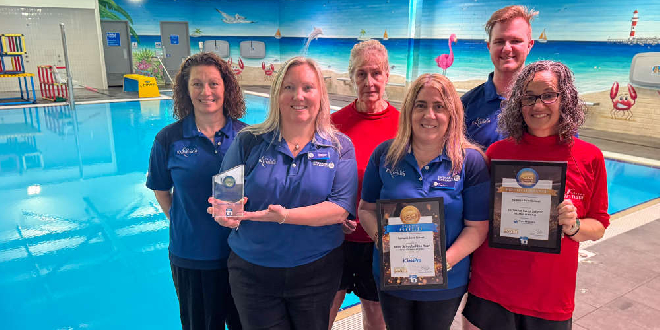 Kwinana Recquatic's swim school recognised nationally
 Rockingham Police: Locals advised not to approach wanted man
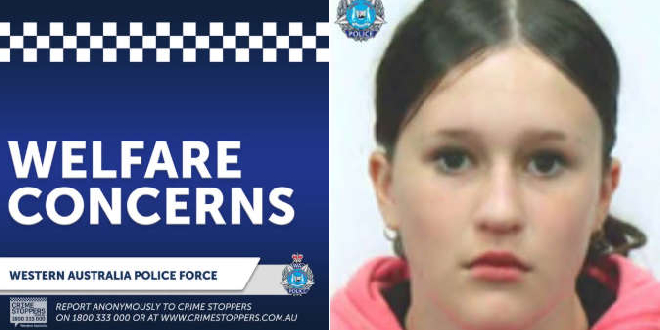 Concerns for missing girl
 Peel Thunder cruise into 2026 WAFL grand final
 Two teens cautioned, one charged over brutal Falcon attack
 Nearly 100 new rentals to be built in Mandurah
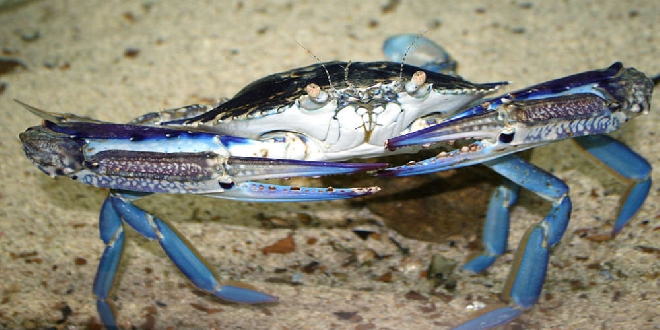 Blue swimmer crabs off limits during season closure
 Fire crews on scene of Meadow Springs house fire
 Perth's southern suburbs declared One Nation's 'heartland' after Secret Harbour by-election victory