


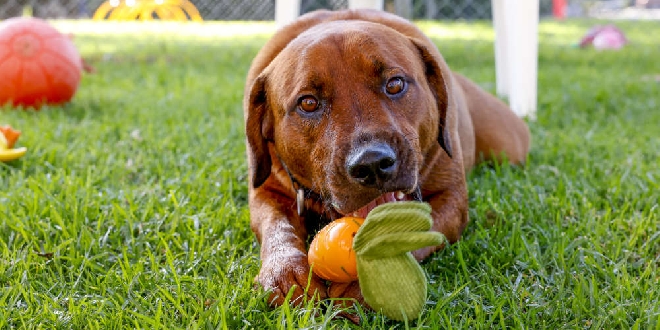
RSPCA WA is urging pet owners to keep their animals away from chocolate this Easter following a surge in calls to the Animal Poisons Hotline last year.
Over a 14-day period last Easter, the helpline recorded a 94 per cent increase in calls regarding pets ingesting chocolate, compared the rest of the year.
Not unexpectedly, 93 per cent of these cases involved dogs, followed by cats at 4 per cent, then birds, and rabbits.
Excluding crossbreeds, Labrador retrievers were once again the most common dog breed involved, followed by miniature Dachshunds, then Cavalier King Charles spaniels.
Notably, last year the helpline received calls about a chocolate-ingesting incident involving a cow and even a pademelon, which is a small marsupial, similar to a wallaby.
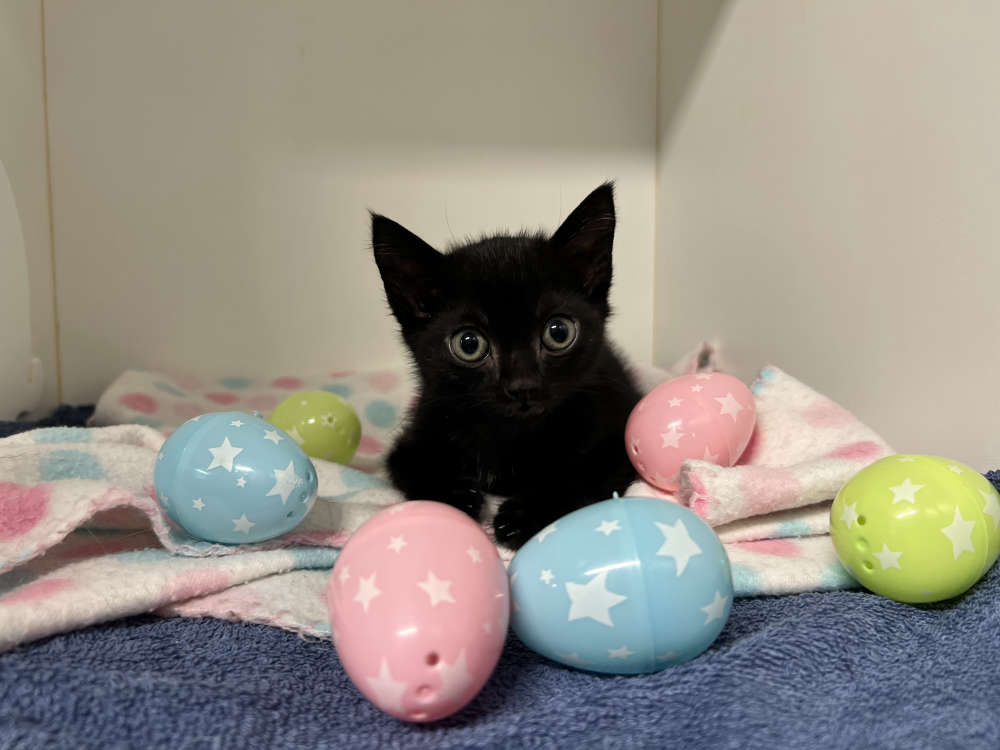
RSPCA WA Lead Veterinarian Mairi Joyce said even a small amount of chocolate could have heartbreaking consequences for pets and owners.
“Just 50 grams of milk chocolate can be enough to poison a small dog,” she said.
“Darker chocolate contains more cocoa, so the same amount will be even more toxic. And some sugar-free chocolates are artificially sweetened with xylitol, which can cause a life-threatening drop in blood glucose, as well as liver failure.
“Signs of poisoning include vomiting, diarrhoea, increased thirst, excessive urination and hyperactivity, while more serious symptoms are tremors, seizures and even death.”
But Dr Joyce said chocolate wasn’t the only food around at Easter that was dangerous to pets.
“Hot cross buns, onions and fatty barbeque leftovers can cause major implications for your pet’s health,” she said.
“Cooked bones are brittle, and small shards can get stuck in your animal’s throat or pierce the stomach lining. Surgery to remove an internal blockage is expensive and will easily creep into the thousands.
“If in doubt as to whether your pet has eaten something they shouldn’t, always contact your vet straight away for advice. It’s much better to be safe than sorry.
“A big risk at Easter is the egg hunt, with pets getting to the hidden chocolates before the kids, or grownups forgetting where they hid them all.
“If your hunt is outside, make sure your pets are safely inside until the hunt is finished and count the eggs as you’re hiding them to make sure every last one is found.”
If your animal ingests one of these toxic foods, or you suspect they may have, call the Animal Poisons Helpline on 1300 869 738 or take your pet to the nearest emergency vet.
 Mandurah Crab Fest boasts huge range of free, family friendly entertainment
 Fuel prices surge in Perth, Mandurah
 Teen boys charged over Mandurah burglaries
 Tragic update in search for missing man Robert Snyder
 Premier Roger Cook to leave Kwinana electorate, move to Perth
 Mandurah Marine Rescue's new vessel named in memory of nun who survived 1959 boating accident
 Teen dies in motorbike crash at Waroona Dam
 Shark alert issued after whale carcass reported at Preston Beach
 Kwinana businesses to refuse serving students during school hours